Focused arrival windows
Useful updates and clear arrival timing.
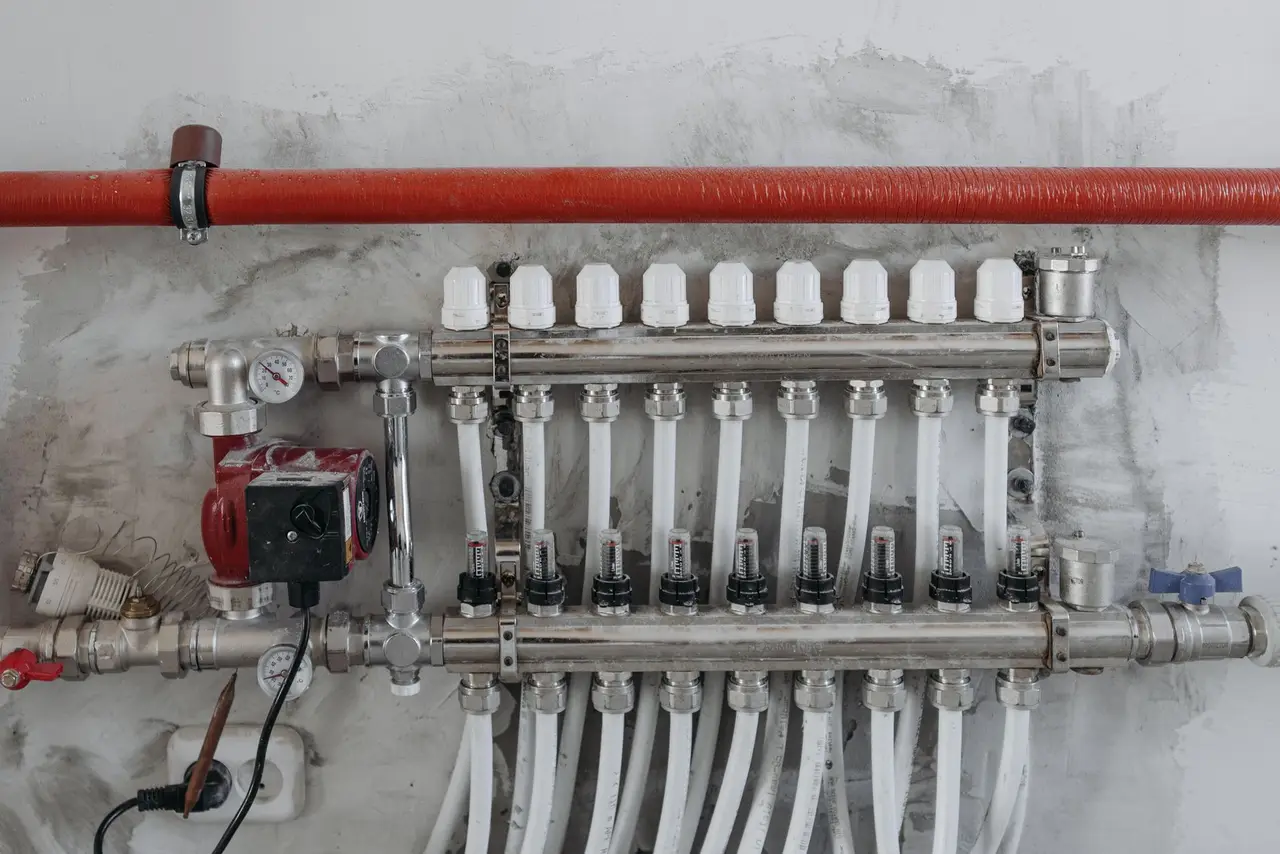
If you smell gas or your line is damaged, gas line repair in Eastaboga, Alabama is not a wait-and-see job. We locate the leak, shut it down, and repair the line to code. Our team handles gas leak repair Eastaboga Alabama for homeowners, rentals and small commercial buildings, with same-day service and 24/7 emergency calls.
Useful updates and clear arrival timing.
Review the approach and price before deciding.
Equipped vehicles and respectful cleanup.
Neighbors serving neighbors with follow-through.
Every repair starts with a leak search and ends with a pressure test. What sits between those two points depends on what we find, but here is what is standard on a gas line repair call in Eastaboga.
We shut the meter, pressurize the line, and watch a Pressure gauge for drop. Leak detection equipment and a soap solution pinpoint the failed joint or pipe section so we repair the right spot, not the whole run.
The damaged section is cut out with a Pipe cutter and rebuilt in Copper pipe, PEX pipe or black iron. New Pipe fittings, Teflon tape and Pipe solder go into every joint. We match the material to what the code allows for that run.
Once the repair holds pressure, we reconnect the appliance, check the shutoff valve, and relight pilots. That includes water heaters, ranges, dryers and outdoor grill lines. If the connector is worn, we replace it.
The new section gets a pressure hold test and a bubble check at every joint. You get the test result and a written summary of what was replaced, which matters if you ever sell the house or need to show an inspector.
Where the scope requires a permit, we pull it and meet the inspector on site. We build to Uniform Plumbing Code (UPC) standards so the sign-off is not a surprise. You do not have to chase the paperwork.
Share what is happening and receive a clear next step from the local team.
Gas line repair in Eastaboga, Alabama covers everything from a pinhole leak at a fitting to a full section of corroded black iron or copper pipe that has to be cut out and replaced. We pressure-test the line, isolate the leak with leak detection equipment, then repair or replace the damaged run using code-approved materials and fittings. Every repair ends with a pressure gauge test and a soap-and-water check at each joint before we turn the gas back on.
Most calls we run in Eastaboga come from older homes with original steel piping, from properties with a buried line that got nicked during yard work, or from appliances that were swapped out without a proper gas line fix Eastaboga AL. If you need gas line repair near me Eastaboga Alabama, we can usually be on site the same day, and we keep 24/7 gas line repair Eastaboga AL coverage for active leaks and no-gas emergencies.
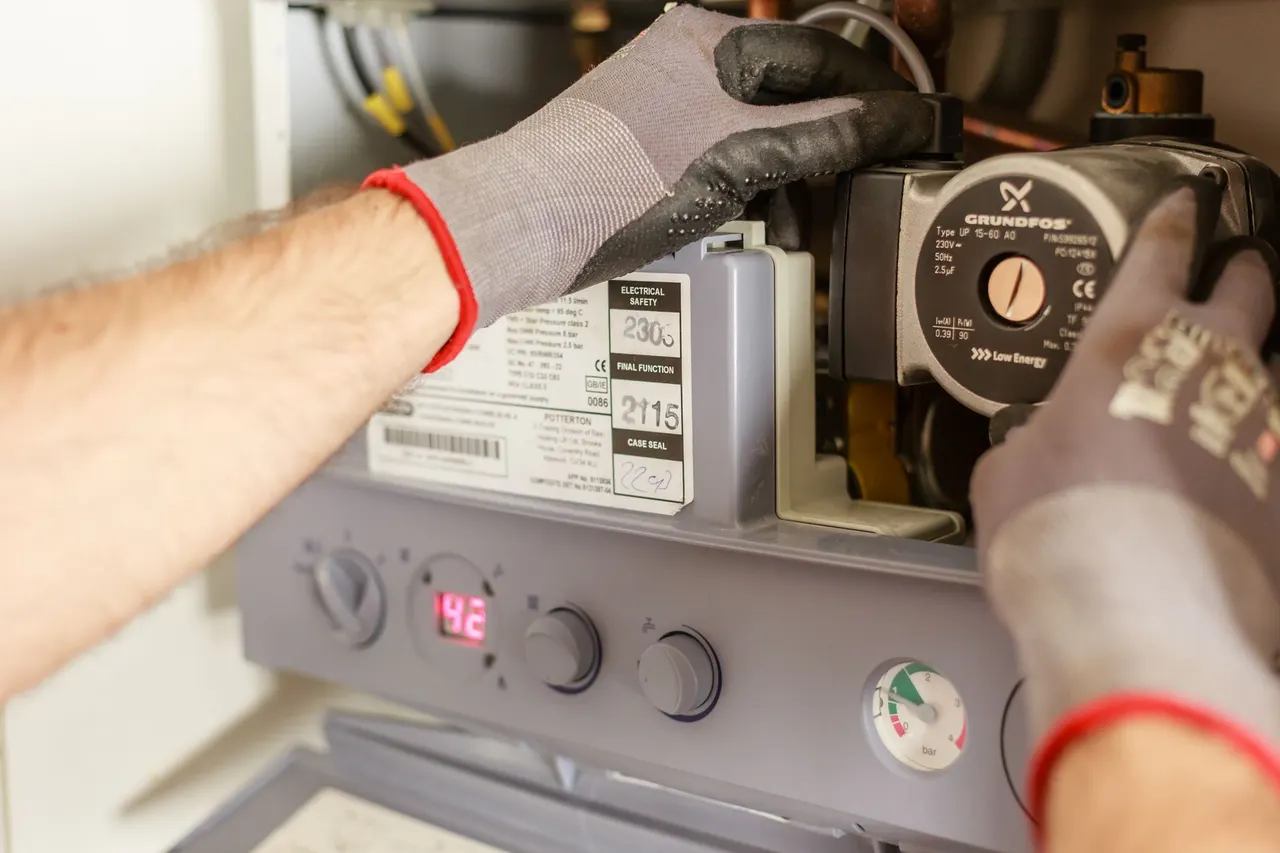
You call (205) 708-6253 and describe what you smell, hear or see. If gas is actively escaping, we tell you to leave the building and call the utility first, then we roll a truck. Non-emergency calls get a same-day or next-morning window, usually within 2 to 4 hours.
On site, we shut the meter, then pressurize the line and watch a Pressure gauge for drop. Leak detection equipment and a soap solution isolate the failed joint or section. This step takes 30 to 60 minutes on a typical Eastaboga home and tells us whether you need a spot repair or a longer replacement.
We cut out the bad section with a Pipe cutter and rebuild it in Copper pipe or PEX pipe, depending on what the run is made of and what the code allows. A Soldering torch, Teflon tape and new Pipe fittings go into every joint. Most spot repairs run 2 to 4 hours.
Before any gas is restored, the new section is pressure-tested and every joint is checked with soap bubbles. If the gauge holds steady for the test period, we reconnect the appliance and relight pilots. If it does not, we find the second leak. No shortcuts here.
We haul off old pipe, sweep the work area, and walk you through what was replaced and why. You get the repair summary, the test result, and a straight answer on whether any other section of the line is close to failing.
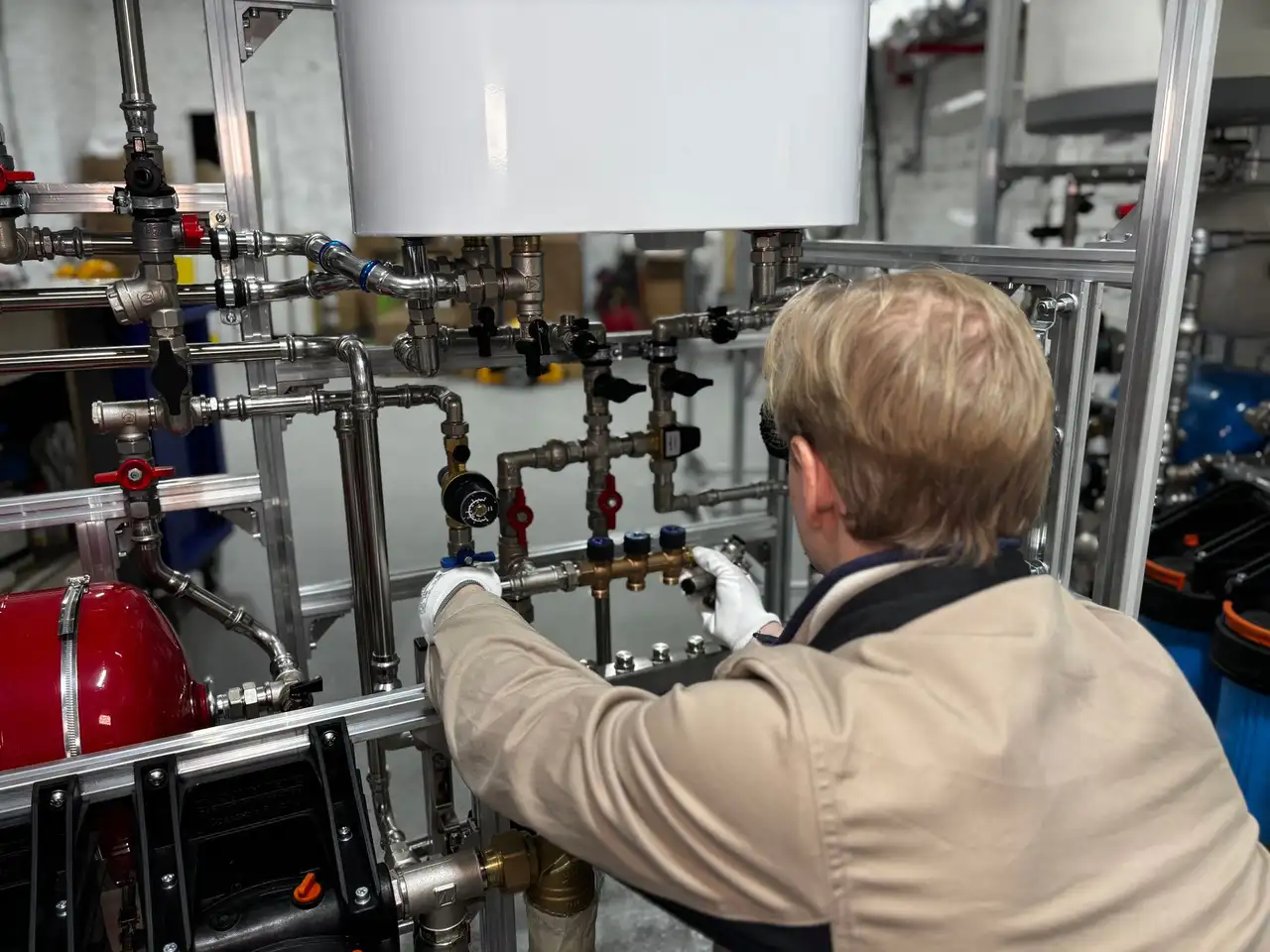
Electronic sniffers and soap solution used to isolate a gas leak at a joint, valve or pipe section before we open anything up.
Pressurizes the line and holds it so we can watch for drop. This is how we prove a repair is sound before gas goes back on.
Cuts copper and steel cleanly so the new section fits square. A square cut is the difference between a joint that holds and one that weeps.
Used to sweat copper joints on gas and water lines. We keep Flux and Pipe solder on hand for a clean, code-correct connection.
Not just for drains. We use it to inspect buried runs and confirm pipe condition before we dig or backfill.
Pipe wrenches, tubing cutters and press tools that hold up on old, seized fittings. The right wrench saves an hour on a stubborn union.
We isolate the repaired section, pressurize it, and watch the gauge for a set period. If it holds, the repair passes. If it drops, there is a second leak and we keep looking. This is the same test an inspector runs.
Every joint gets a soap solution brushed on while the line is pressurized. Bubbles mean a leak. It is low-tech and it catches the small weeps that a gauge alone can miss.
Pipe sizing, support spacing, shutoff placement and venting are all built to UPC standards. That is what keeps the job passing inspection and keeps your insurance valid.
We repair copper with copper, steel with steel, and PEX with PEX where the code allows. Mixing metals without a dielectric fitting causes corrosion and a repeat leak within a few years.
We shut the meter, test the line at the range connection, and check the shutoff valve and connector. If the line is fine, we look at the appliance; if the line is leaking, we repair it and retest. You get a safe, tested connection and a working range, usually the same day.
We expose the damaged section, cut it out, and replace it in the correct material. Then we pressure-test the full run before backfilling the trench. The line holds pressure, the yard is restored, and you avoid a utility shutoff.
We test pressure at the unit and check the line for partial blockage or an undersized run. If the line is the problem, we repair or upsize it. The heater fires correctly and you get hot water back without replacing a working unit.
We run a full pressure test, document the findings, and repair what fails. We can meet the inspector on site and provide the test result for your file. The deal moves forward with a documented, code-correct gas line.
Eastaboga sits between Oxford and Talladega, and the housing stock shows it. A lot of the homes we work in were built in the 1950s through the 1970s, with original black iron gas piping that has been slowly rusting from the inside for decades. Add Alabama humidity, clay soil that shifts with every wet winter, and the occasional freeze, and you get joints that loosen and buried lines that crack. We handle gas leak repair Eastaboga Alabama calls year-round, with a spike in late fall when furnaces and water heaters get fired up for the first time. If you need 24/7 gas line repair Eastaboga AL, we run calls after hours and on weekends. Permits go through the local code office, and we build to Uniform Plumbing Code (UPC) so the inspection passes the first time.
Older mill-era homes with original steel gas piping. Most repairs here are joint and section replacements on lines that have never been updated.
A mix of older homes and small commercial buildings. We see more appliance reconnections here after equipment swaps and remodels.
Larger lots with buried propane and natural gas runs. Stump grinding and fence work are the most common causes of a nicked line out here.
We cover these regularly. Same code requirements, same clay soil, and the same freeze risk on exposed lines each January.
Shifting ground stresses buried gas lines and can crack older pipe at the joints. We pressure-test buried runs before backfilling so a future shift does not turn into a leak.
Exposed lines and regulators can freeze and fail. We check insulation and support on outdoor runs during cold-weather calls and repair what the freeze damaged.
Rust builds up inside the pipe, restricting flow and weakening joints. We replace the failed section and tell you honestly if the rest of the run is close behind it.
A homeowner in Eastaboga called after smelling gas near the water heater. The meter was shut off by the utility, the pilot was out, and the family had no hot water. The leak was at a corroded union on the original steel line.
We cut out the failed union, replaced it with new fittings, and pressure-tested the line. The test held at the first check. The pilot was relit and hot water was back the same evening, about 3 hours after we arrived.
Maintenance: Have the line pressure-tested every few years on older steel piping, and keep the area around the water heater clear so a leak is easy to smell early.
A crew grinding stumps on a Choccolocco Road property nicked the buried gas line. The homeowner smelled gas in the yard and shut the meter. The damaged section was under about 18 inches of clay soil.
We exposed the line, cut out the damaged section, and replaced it in copper. The full run was pressure-tested and held. The trench was backfilled and the yard raked out the same day.
Maintenance: Call 811 before any digging, and keep a record of where the line runs so future yard work stays clear of it.
A home sale in Eastaboga stalled when the inspection flagged the gas connection behind the range. A previous DIY install had used the wrong connector and too much pipe dope, and it failed a pressure test.
We pulled the range, replaced the connector and shutoff valve, and rebuilt the connection to code. The line passed pressure test and the inspector signed off two days later, keeping the sale on schedule.
Maintenance: Use a licensed plumber for any appliance swap, and have the connection checked if you ever smell gas or see a yellow flame at the burner.
Most gas line failures show up as a smell, a dead appliance or a hiss you cannot place. Here are the ones we see most often and what happens if they are left alone.
A leaking union or failed valve lets gas collect in a utility closet or crawlspace. Left alone, it becomes a fire and health hazard, and the utility will shut your meter off until it is repaired. We isolate the leak with leak detection equipment, replace the failed fitting or valve, and pressure-test the line. Most of these are spot repairs done in 2 to 3 hours, and we relight the pilot before we leave.
A struck line can leak underground for weeks before you smell it. Gas can migrate along the trench into a crawlspace or a basement, and the repair gets bigger the longer it sits. We locate the damaged section, expose it, and replace it in Copper pipe or PEX pipe as the run requires. Then we pressure-test the whole line and backfill. This is a common call after stump grinding and fence posts.
Original black iron pipe in 1950s and 1960s Eastaboga homes rusts from the inside. You get low flame at the range, a smell at the joints, and eventually a leak that fails inspection. We cut out the corroded run and replace it with new pipe and fittings, then test the whole line. If more than one section is bad, we quote the full replacement so you are not paying for repeat visits.
A DIY range or dryer install with the wrong connector or too much pipe dope is a leak waiting to happen. It often passes a quick smell test and fails a real pressure test. We pull the appliance, inspect the connector and shutoff, and rebuild the connection correctly. Then we pressure-test and document it. This is one of the cheapest repairs we run and one of the most important.
$250 - $2,400 depending on scope
Gas line pricing comes down to access, material and how much of the run is bad. A spot repair on an exposed line is the cheapest outcome; a buried line or one behind finished walls costs more because of the dig and the patch. We quote before we start, and we tell you if a repair is not worth it compared to replacing the section. Typical 2026 pricing in this area is listed below.
You are paying for a tested, code-correct repair and a documented result, not a patch. A failed gas repair is a fire risk and an insurance problem. We do it once, test it, and stand behind it.
An exposed line in a crawlspace or basement is a straightforward repair. A line behind finished drywall or under a slab means opening and closing access, which adds labor and materials to the job.
Copper pipe and PEX pipe repairs are usually faster than black iron, which has to be threaded and sealed. Material cost varies too, and we match what the code allows for that run.
A single failed union is a small job. A 20-foot run of corroded pipe is a bigger one. We measure the section and quote the replacement length, not a flat rate.
Some repairs require a permit and a city inspection. That adds a fee and a scheduled visit, but it keeps the work legal and your insurance valid. We handle the paperwork.
After-hours and weekend calls carry a higher rate than a scheduled weekday visit. If the leak is active, the emergency rate is worth it. If it can wait until morning, we will tell you.
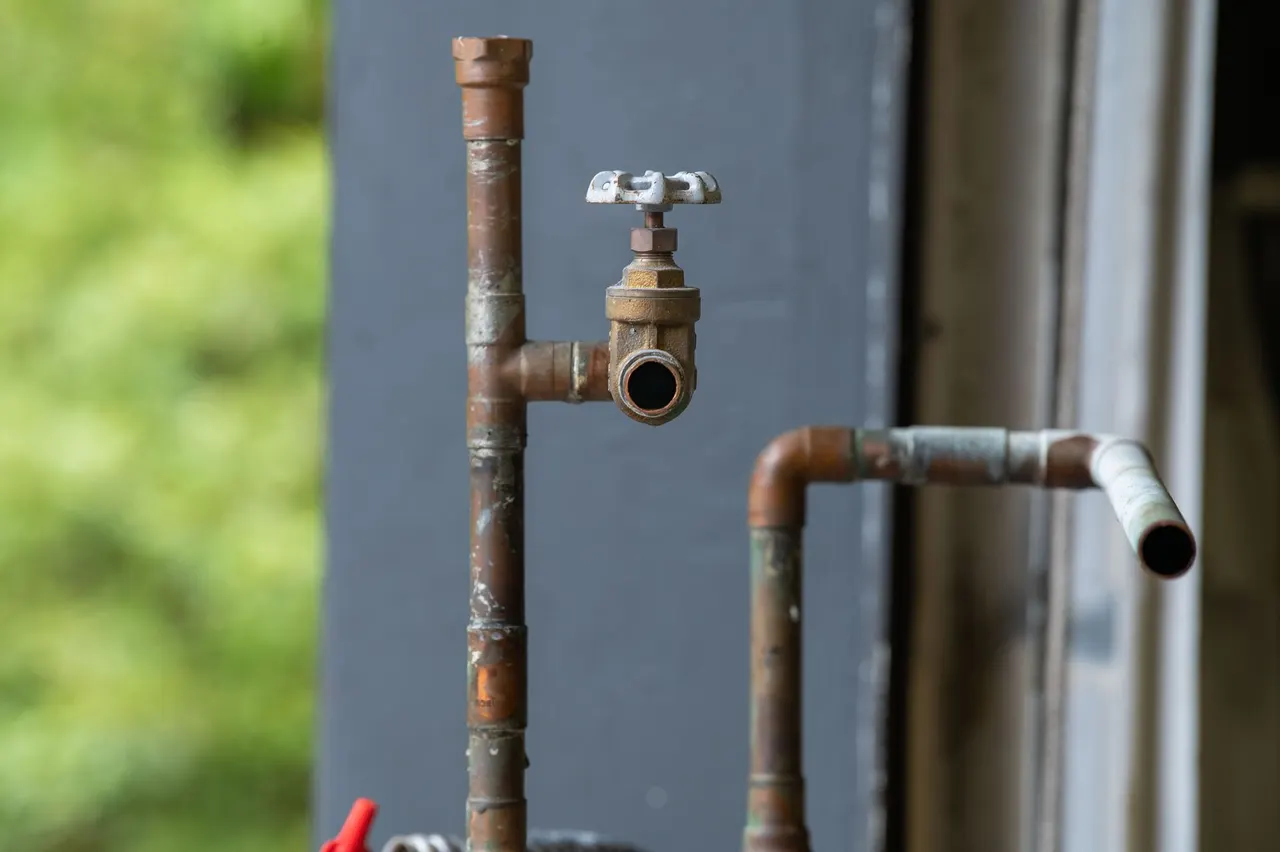
Our techs hold Alabama Plumbers License credentials and work under a Master Plumber License, with Gas Fitter Certification for fuel-gas piping. We have run gas line repairs across Calhoun and Talladega county homes for years, from 1950s mill houses in Eastaboga to newer builds off the highway. That means we have seen what 40-year-old steel pipe looks like from the inside, and we know which repairs hold and which ones come back. Every job is permitted where the code requires it and inspected when the city asks.
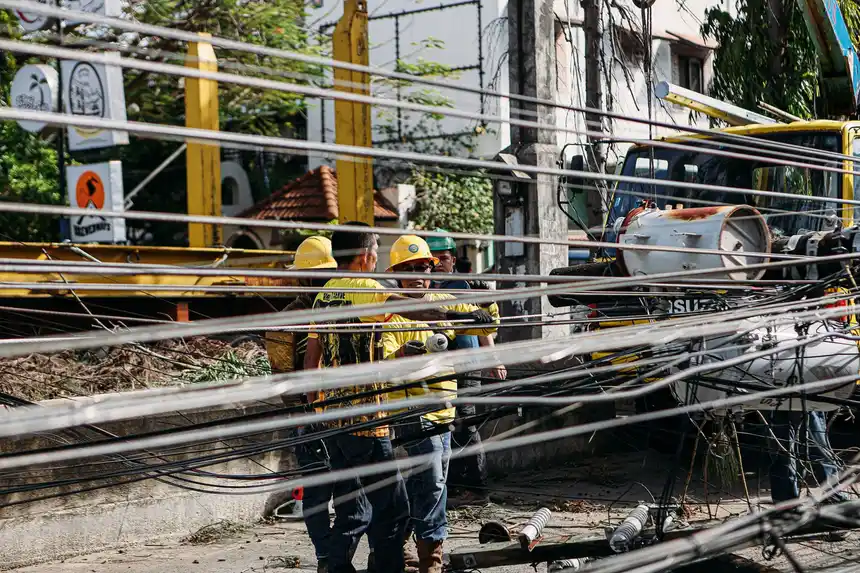
Smelled gas near the water heater on a Sunday night. They answered, told me to shut the meter and get everyone outside, and had a tech here in about 40 minutes. Turned out to be a bad union on the old steel line. Repaired, pressure-tested, and we had hot water back the same night. Fair price, no drama.
I manage a few rentals and had a tenant report a gas smell. Mamas came out, found a cracked fitting behind the range, and had it fixed and tested before the tenant got home from work. They sent me the test result and a photo of the repair. That is the kind of paperwork I need as a landlord.
Our line got nicked when we had a stump ground out. They came the next morning, cut out the damaged section, and replaced it in copper. Pressure test held, inspection passed, and they cleaned up the yard better than they found it. Would call them again for any gas work.
Most gas line repairs in Eastaboga run $250 to $650 for a spot repair, and $900 to $2,400 if a longer section or a buried line has to be replaced. Typical 2026 pricing in this area depends on access, pipe material and how much of the run is bad. We give you the number before we start, and we do not add to it because the job took longer than expected.
Leave the building first, then call your gas utility from outside, then call us at (205) 708-6253. Do not flip switches, light anything, or use a phone inside the structure. Once the utility secures the meter, we run gas leak detection repair Eastaboga AL, find the failed joint or pipe section, and repair it. If you cannot reach the utility, call us and we will walk you through shutting the meter valve.
No. Fuel-gas piping in Alabama requires a licensed plumber and, in most cases, a permit and inspection. A hardware-store patch on a gas line is a fire risk and will fail inspection. We handle the repair, the pressure test and the paperwork. If you have already opened the line, do not turn the gas back on, call us and we will make it safe.
A spot repair on an accessible line takes 2 to 4 hours, including the pressure test. A buried line or a repair behind finished walls can run a full day or two once we open and close the access. Emergency calls get priority, and we tell you the expected window when we schedule, not after we arrive.
Not seeing your question? Our local team can help you understand urgency, scheduling and what to expect.
Ask the local team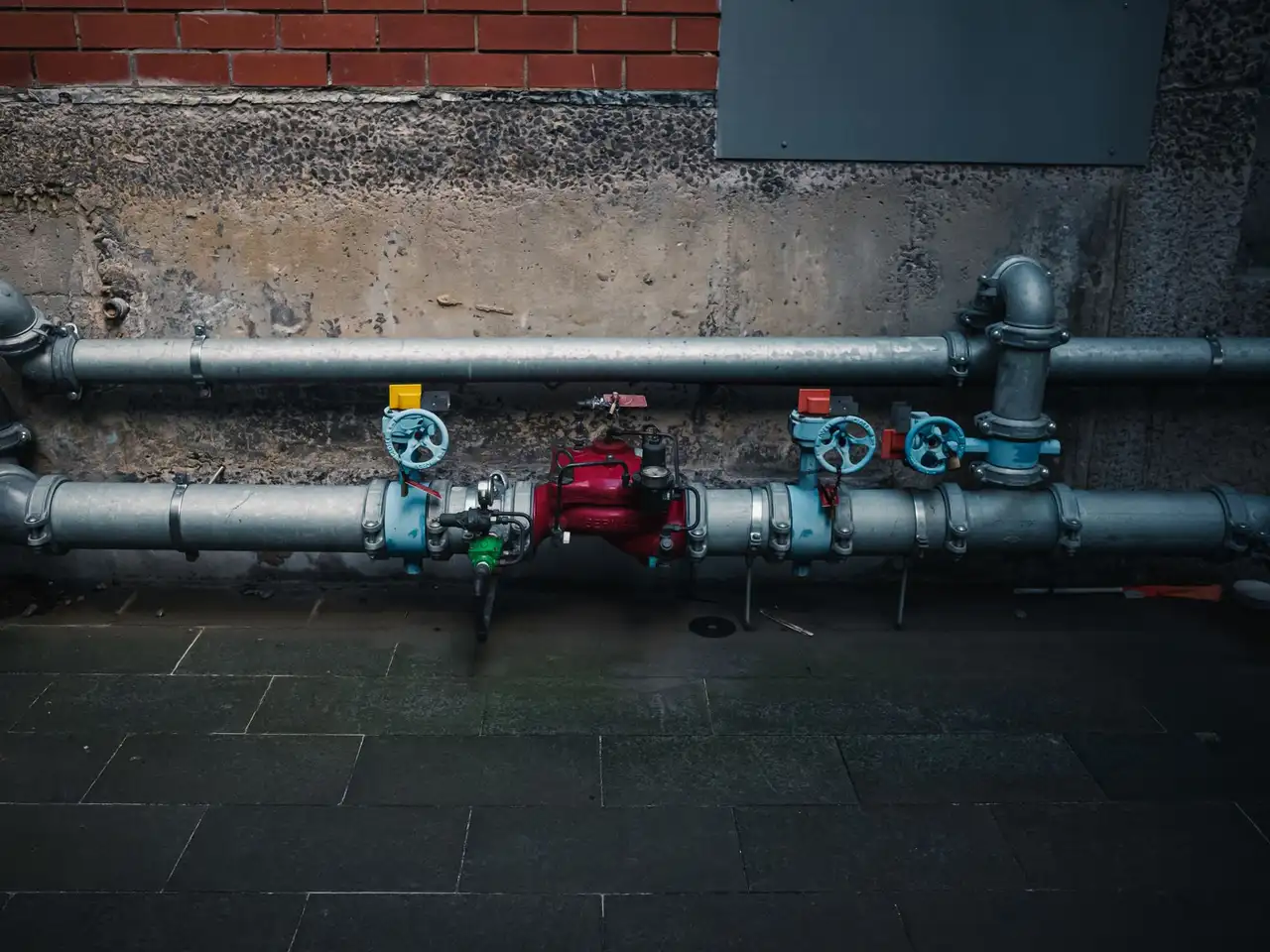
If we are already under the house for a gas line repair in Eastaboga, it is a good time to clear a slow drain. We run a Drain snake or Hydro jetter through the line and camera it so you know what caused the backup.
View service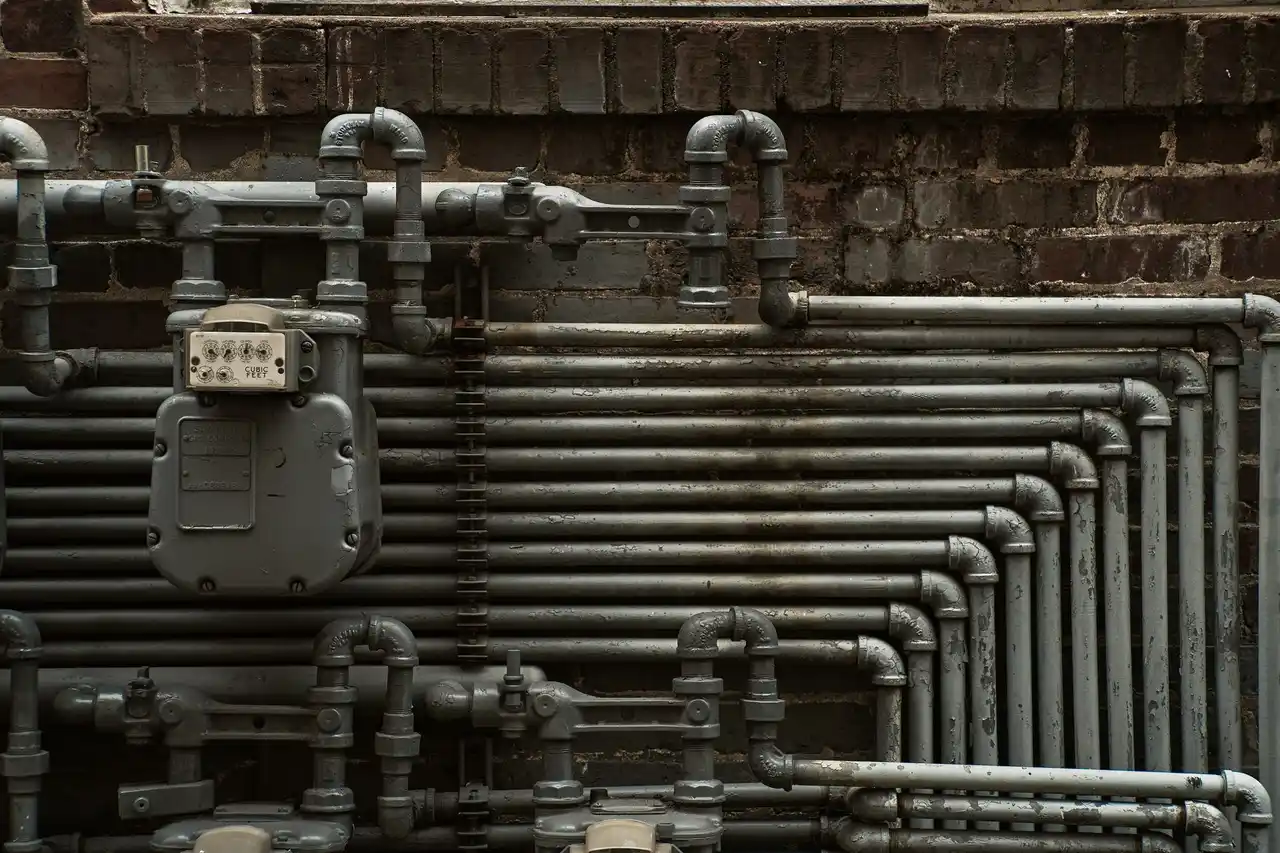
A dripping faucet wastes water and can signal pressure problems in the same system. While we are on site for gas work, we can swap a Faucet cartridge or rebuild the valve in under an hour.
View service
New Moen, Delta or Kohler fixture going in? We handle the supply connections and shutoff valves so the install is leak-free. Easy to pair with a gas line repair visit when the water is already shut off.
View service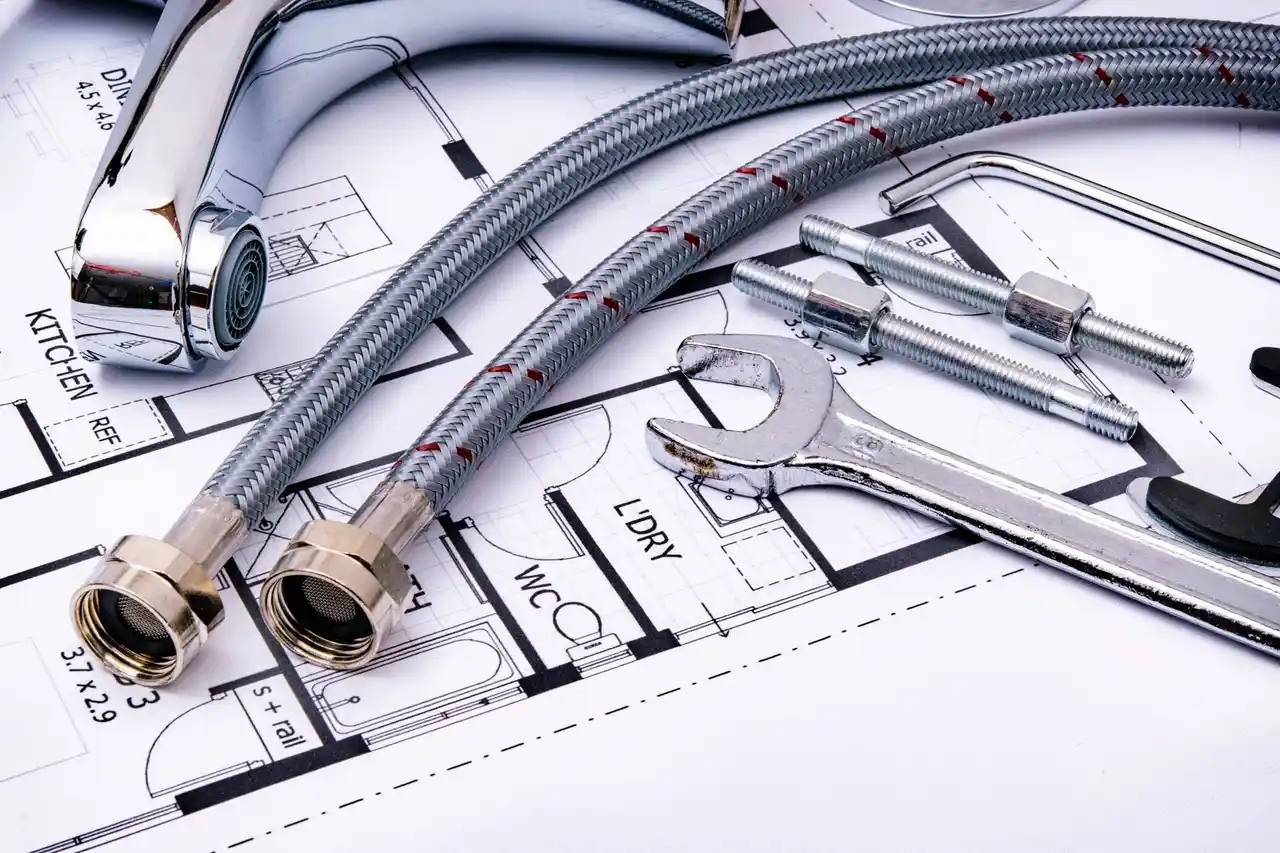
Gas leaks and water leaks often show up together in older Eastaboga homes. We use Leak detection equipment and a Pressure gauge to find both, so you are not chasing a mystery smell or a rising water bill.
View serviceCall us at (205) 708-6253 or send an email to info@mamasplumbingsolutions.com. We answer the phone during business hours and return messages after hours for emergencies. If you've got a leak, a clog or no hot water, don't wait. Reach out and we'll get you on the schedule.