Focused arrival windows
Useful updates and clear arrival timing.
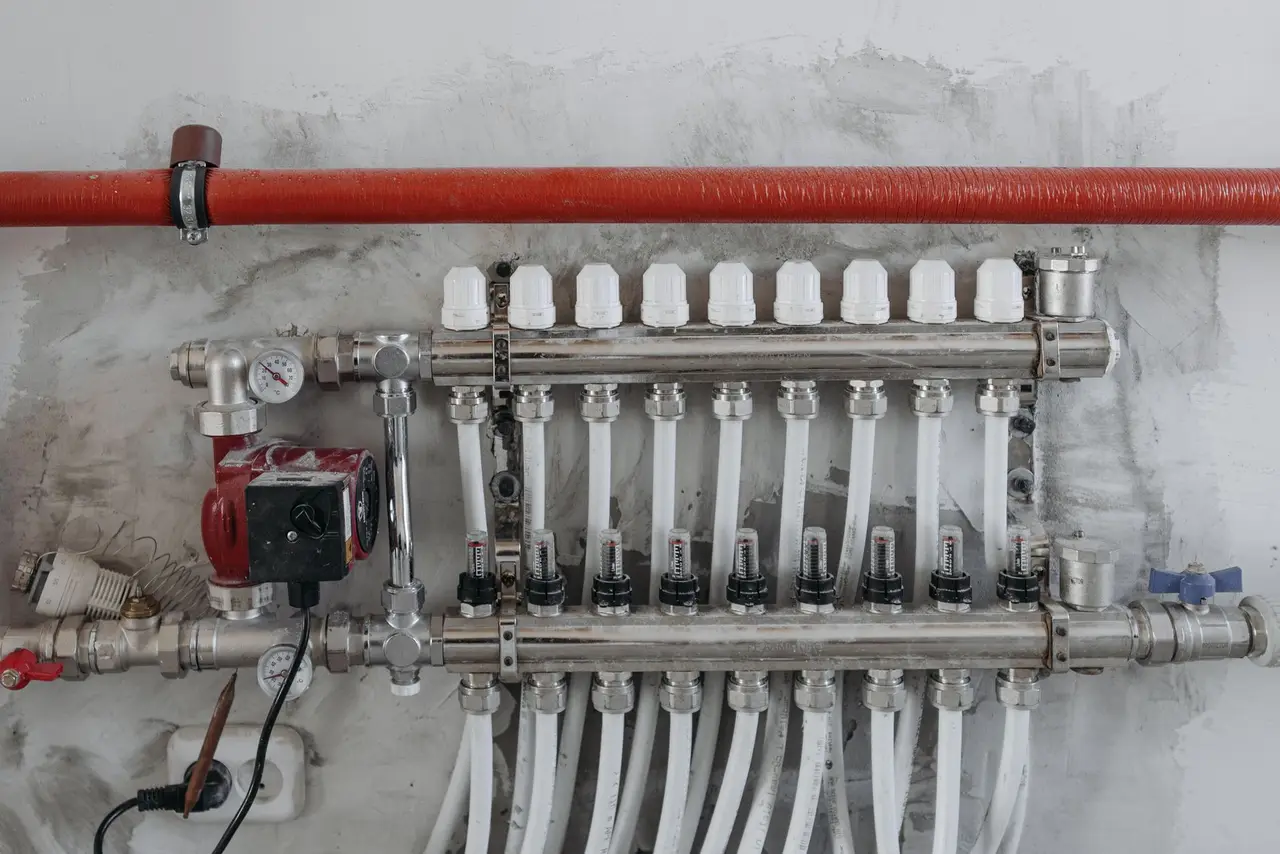
When a water line breaks, you need water line repair in Eastaboga, Alabama that starts with finding the actual leak, not guessing at it. We pressure-test the line, locate the failure with leak detection equipment, and repair or replace the pipe the same day in most cases. Whether it is a slab leak under the house or a soaked yard at the meter, we handle the water line fix Eastaboga AL homeowners call about most.
Useful updates and clear arrival timing.
Review the approach and price before deciding.
Equipped vehicles and respectful cleanup.
Neighbors serving neighbors with follow-through.
Every water line repair we run includes the diagnosis, the repair, and the test. Here is what is covered on a standard call, and what we handle as an add-on when the job calls for it.
We shut the meter, isolate the house, and pressure-test the line with a pressure gauge. Leak detection equipment narrows the break to a spot before we dig, which is the step that keeps the trench small.
We call in the utility locate before digging and trench to the failure point, typically 18 to 36 inches deep. Hand-digging near other utilities protects gas and electric lines that share the trench.
The failed section comes out and new PEX pipe, Copper pipe, or PVC pipe goes in with new fittings, Teflon tape, and solder or crimp rings as the material requires. We match the pipe to the line, not to what is cheapest on the truck.
We restore water, bleed the air, and hold pressure on the repair before any dirt goes back in. If a joint weeps, we fix it then, not after the trench is closed and the driveway is back.
We backfill in lifts, compact the soil, and rake the site so it is ready to seed or sod. You get a walkthrough of what was replaced and where the new line runs, so future digging does not hit it.
Share what is happening and receive a clear next step from the local team.
Water line repair in Eastaboga, Alabama is the process of locating, exposing, and restoring the pressurized pipe that carries water from your meter or well into the house. That means finding the failure first with a pressure gauge and leak detection equipment, then cutting out the bad section and replacing it with PEX pipe or Copper pipe that meets the Uniform Plumbing Code (UPC). We repair the line, restore pressure, and test every joint before we pack up the truck.
Most calls we run in Eastaboga start the same way: a water bill doubles, a patch of the yard stays green in dry weather, or the pressure drops to a trickle at the kitchen sink. Clay soil and older galvanized service lines around Calhoun County do not flex, so root intrusion and corrosion open pinholes that grow fast. If you are searching for water line repair near me Eastaboga Alabama at 2 a.m., we answer and roll a truck.
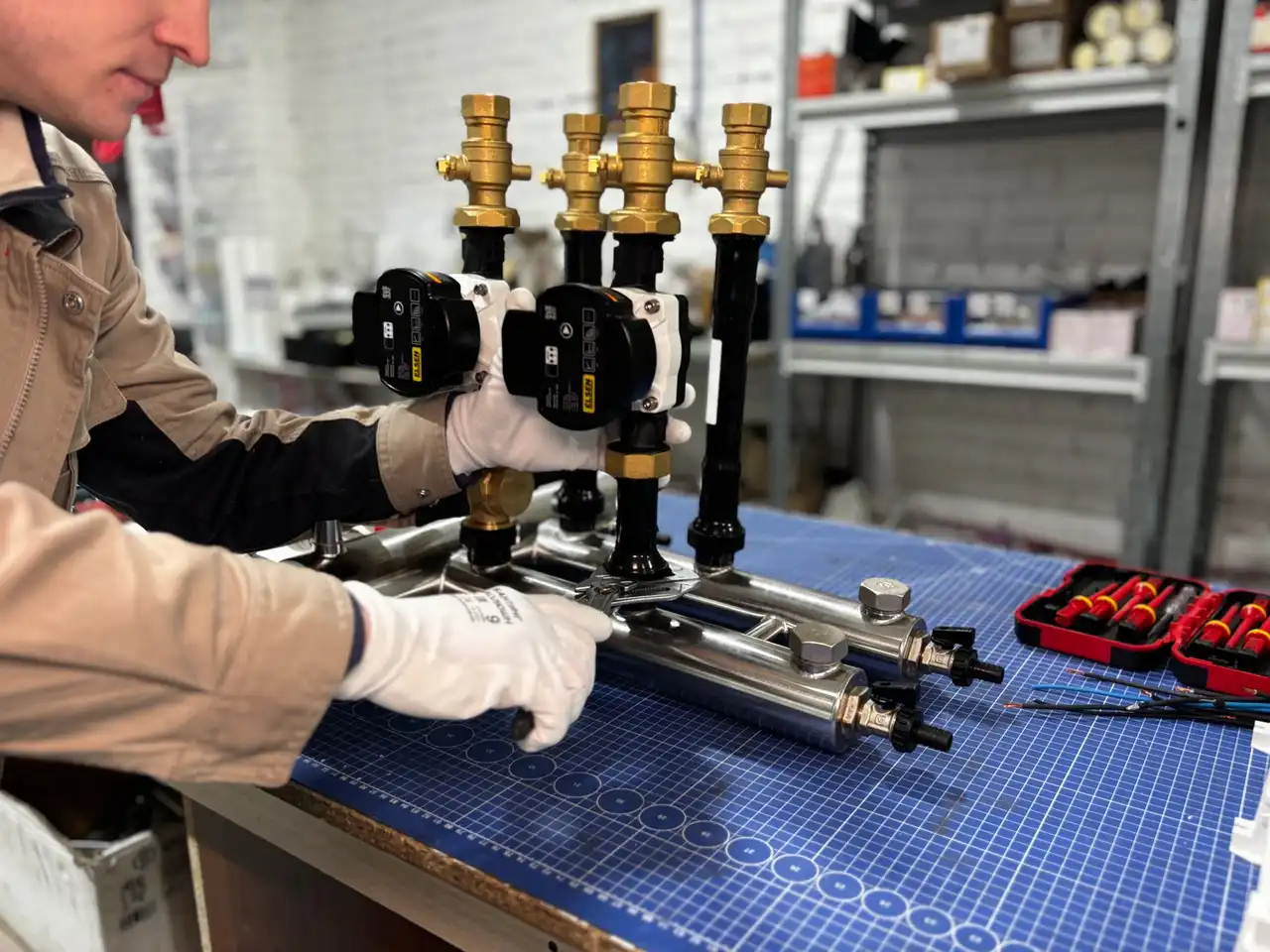
You call (205) 708-6253 and describe what you are seeing: a wet spot, low pressure, or a spinning meter. We ask the questions that separate a fixture problem from a service line failure, then set a window. Emergency water line repair Eastaboga calls get priority, day or night.
On site, we shut the meter, isolate the house, and pressure-test the line with a pressure gauge. Leak detection equipment and, when needed, a sewer camera pushed through the line tell us exactly where the break sits. This step usually takes 30 to 60 minutes and saves hours of digging.
We call in the utility locate before any shovel hits dirt, then hand-dig or machine-trench to the failure point. Most residential lines sit 18 to 36 inches deep in this part of Alabama. We keep the trench tight and protect landscaping where we can.
The failed section comes out. We cut clean with a pipe cutter, fit new pipe and fittings, and solder copper or crimp PEX depending on what the line calls for. A main water line repair Eastaboga Alabama job often means replacing 10 to 30 feet of line plus the fittings on each end.
We restore water, bleed the air, and hold pressure for a full test cycle. If every joint holds, we backfill, compact, and clean the site. You get a walkthrough of what was replaced and how to watch for problems in the first week.
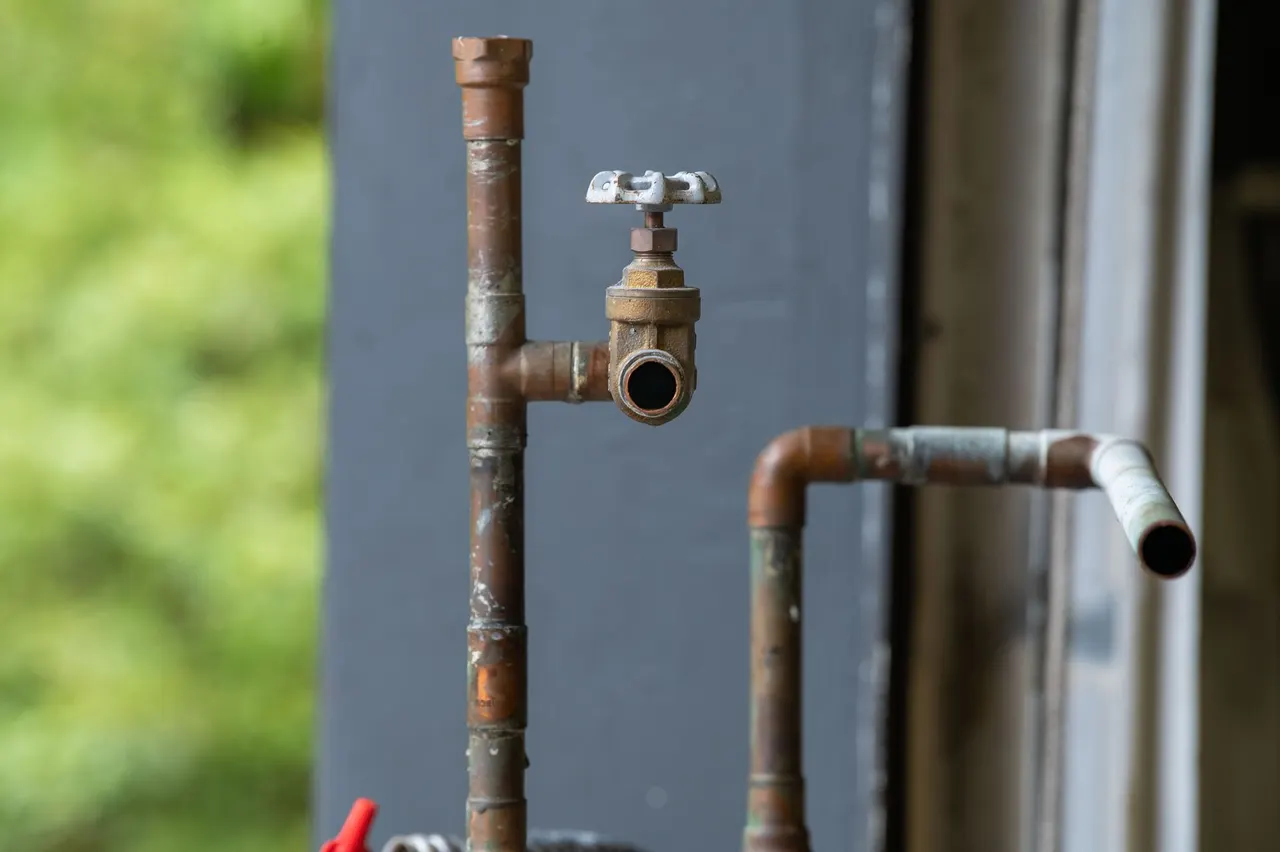
Acoustic and pressure-based locating that narrows a buried break to a spot before we dig, so the trench stays small and the yard recovers faster.
Reads static pressure at the hose bib and the meter side. It tells us whether the problem is the service line, a fixture, or a pressure regulator.
Clean cuts and code-correct copper joints. We solder with flux and lead-free solder where copper is the right material, and crimp PEX where it is not.
Pushed through a line to see root intrusion, collapsed pipe, or a break that pressure testing only hints at. It turns a guess into a picture.
Clears the sewer lateral when root intrusion in the same trench is part of the problem, so we fix both lines on one visit.
The pipe wrenches, cutters, and inspection gear we carry daily. Trade-grade tools hold up to Alabama clay and keep the job moving.
We shut the meter, isolate the house, and pressurize the service line in sections. The section that will not hold pressure is the section with the break, which is how we avoid exploratory digging.
Pipe sizing, burial depth, and fitting methods follow UPC standards. That matters at inspection time and it matters ten years later when the line is still holding.
Where the line can be rerouted around a slab, driveway, or mature tree, we run a new line instead of cutting concrete. It saves restoration cost and keeps the root system intact.
We backfill in shallow lifts and compact as we go, which prevents the trench from settling into a dip in your yard after the first hard rain.
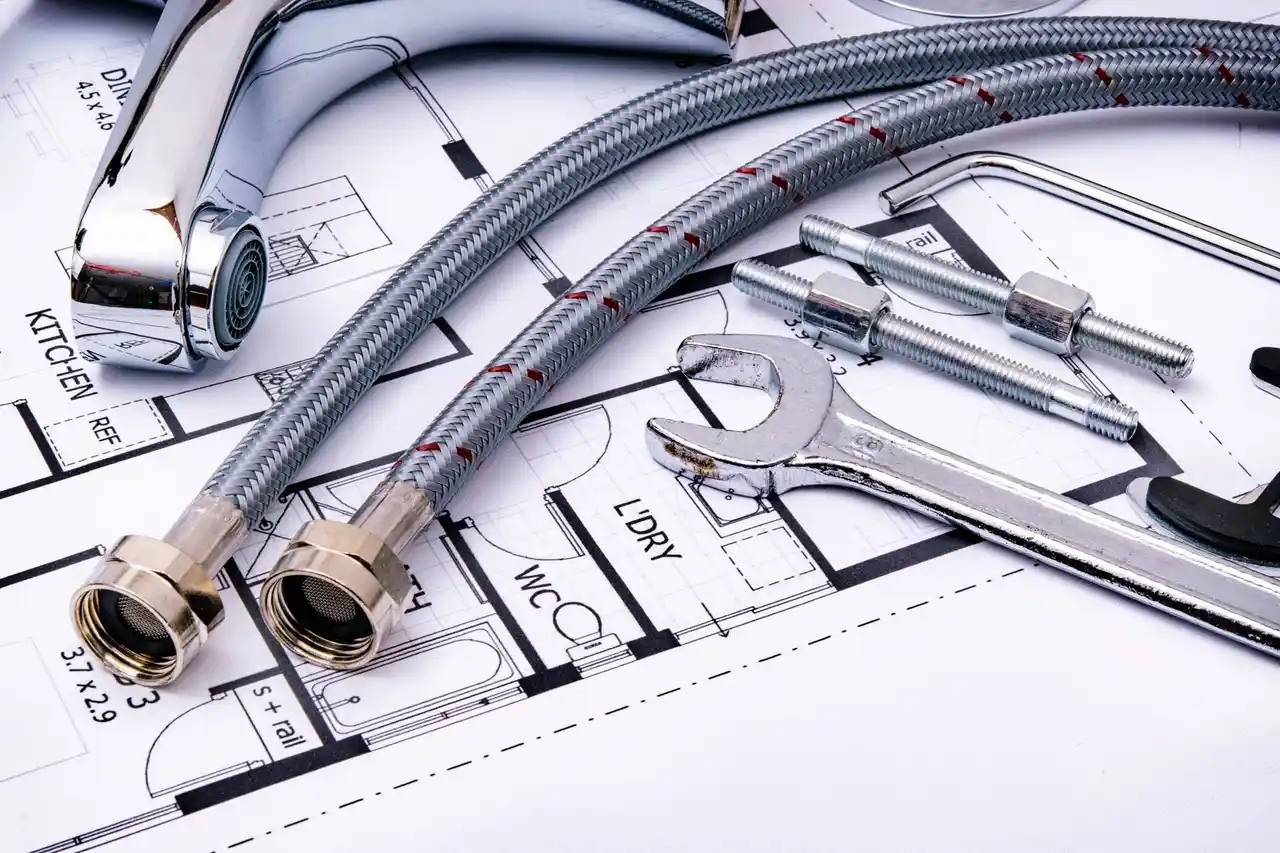
That is a supply-side leak until proven otherwise. We isolate the house from the meter, pressure-test the service line, and locate the break with leak detection equipment. If the loss is underground, we dig to the spot and repair the line. The meter stops spinning, the bill normalizes, and you know exactly where the new pipe runs.
We locate the break precisely first, then cut and repair the line with minimal concrete removal. Where the line can be rerouted around the slab, we do that instead of breaking out the whole driveway. Water is restored with a smaller patch, and the repair is pressure-tested before the concrete goes back.
We check the meter, the shutoff, and the service line for debris or a partially closed valve. A pressure gauge reading at the hose bib tells us whether the restriction is in the line or in the house. You get a clear answer on where the problem sits and a repair that restores normal flow.
We pressure-test the line from the well head to the house and check the pressure gauge and tank. A failing check valve or a buried break both show up in the test, and we repair the line or the valve that is actually at fault. The pump stops short-cycling, and pressure at the fixtures holds steady.
Eastaboga sits on clay-heavy soil that holds water and shifts with the seasons, and that combination is hard on buried pipe. When a line breaks here, the water does not drain away; it pools, softens the soil, and finds the path of least resistance toward your foundation. Older homes around Calhoun County often still have galvanized service lines that have thinned from the inside out, while newer builds use PEX pipe or Copper pipe that fails at fittings more often than mid-run. Winter is the season we watch closest. A hard freeze after a wet week is when we run the most emergency water line repair Eastaboga calls, because saturated soil and a sudden drop in temperature split pipe that was already stressed. Summer brings the opposite problem: dry clay shrinks, the soil moves, and a line that was fine in March starts weeping at a joint in July. We handle both by pressure-testing before we dig and by matching the repair material to the line. If you need underground water line repair Eastaboga AL, we carry the pipe, fittings, and trenching gear to finish it on the first trip.
A mix of older homes and small commercial buildings with service lines that have seen decades of clay soil movement. Locating before digging matters here.
Higher ground with more rock in the soil. Trenching is slower, and line depth varies more from lot to lot, so we confirm depth before we quote.
Rural lots with longer service runs and more well lines. Longer runs mean more pipe to test, and well systems need the pressure tank checked alongside the line.
Growing residential areas where newer PEX lines meet older infrastructure. Fitting failures are more common than mid-run breaks on these streets.
Saturated clay keeps a leak from draining away, so water pools near the foundation and the break gets worse faster. We dig and repair promptly rather than waiting for the ground to dry.
Frozen ground and split pipe drive our emergency calls. We isolate the line, repair the split, and check exposed runs so the next freeze does not repeat the problem.
Galvanized pipe corrodes from the inside and restricts flow before it fails. When we find it, we replace the run with PEX or copper rather than patching a line that is already choked.
A 1960s ranch in Eastaboga had galvanized service line with pressure down to 28 PSI at the kitchen sink. The water bill had climbed for three months and the yard stayed wet along the line.
We replaced 42 feet of galvanized line with 1-inch PEX pipe, new fittings, and a new shutoff. Static pressure came back to 62 PSI, and the meter stopped spinning with the house isolated.
Maintenance: Keep the meter box clear and watch the first cold snap. Insulate the exposed riser at the house wall and you will avoid most freeze calls.
A homeowner in Oxford had a hot spot on the floor and a water bill that doubled in one cycle. Two other companies quoted a full repipe before anyone tested the line.
We pressure-tested, located a single failure under the slab, and repaired that section with copper and new fittings. The bill dropped back to normal the next cycle and the floor dried out.
Maintenance: Watch for a return of warm spots or a bill spike. A pressure check once a year catches a new leak before it spreads.
A line let go at 11 p.m. in Anniston and water was surfacing in the yard. The meter was running wide open and the homeowner could not find the shutoff.
We walked them through shutting the meter, arrived within the hour, isolated the break, and spliced in new pipe. Water was back on by 6 a.m. with the repair pressure-tested before backfill.
Maintenance: Know where your meter shutoff is and tag it. A five-dollar tag saves hundreds in water damage when a line lets go at night.
A failing water line shows up in more than one place. These are the problems we see most on Eastaboga calls and what they turn into if the line is left alone.
A pinhole leak the size of a pencil tip can waste thousands of gallons a month and quietly undermine the soil under a driveway or slab. We pressure-test the line and use leak detection equipment to find the loss, then repair the failed section. Most bill spikes trace back to a service line break between the meter and the house, and the repair stops the loss the same day.
Corroded galvanized lines choke flow over time. Showering, laundry, and dishwashing all slow down, and the line is usually closer to failing than it looks. We check static pressure at the hose bib and compare it to the meter side. If the line is the restriction, we replace the corroded run with PEX pipe or Copper pipe sized for the house, which restores pressure to 55 to 65 PSI.
Standing water near the foundation softens soil, finds cracks in the slab, and can flood a crawlspace. It also signals a break that is only going to grow. We locate the break, expose it, and repair the line before the water undermines the foundation. If the crawlspace is wet, we check the sump pump and the check valve while we are there.
A burst line dumps water fast and can flood a yard or a basement in minutes. The damage compounds the longer the meter stays open. We isolate the line, cut out the split section, and splice in new pipe with fittings rated for the pressure. We also check exposed runs and shutoff valves so the next freeze does not repeat the call.
$450 - $2,800 depending on scope, with most spot repairs between $700 and $1,200
Typical 2026 pricing for water line repair in this area runs $450 to $2,800, with most spot repairs landing between $700 and $1,200. A full service line replacement from the meter to the house is the top of that range. What moves the number is depth, access, and material, not the name on the truck. We give you the price before we dig, and it holds. If you are comparing quotes for affordable water line repair Eastaboga Alabama, ask each one whether the price includes the pressure test, backfill, and cleanup. Ours does.
The price includes the pressure test, the locate, the repair, backfill, and cleanup. A cheap patch that fails in a year costs more than a repair done once, and we warranty the work so a failed joint is our problem, not yours.
Lines buried 18 to 36 inches are routine. Past 36 inches, or under a slab, the excavation time climbs and so does the labor. We confirm depth during the locate so the quote reflects it.
A two-foot splice and a 40-foot replacement are different jobs. Most spot repairs replace 5 to 15 feet of pipe plus the fittings on each end, and the price scales with the run.
PEX pipe is faster to install and usually the lower-cost option. Copper pipe costs more in material and labor but is the right call in some applications. We quote the material the line actually needs.
Grass and soil are simple to restore. Concrete, asphalt, and landscaping add cost because the surface has to come out and go back. Rerouting around a slab often costs less than cutting it.
A scheduled repair during business hours is the base price. After-hours and weekend calls carry an emergency rate, which we tell you on the phone before we dispatch.
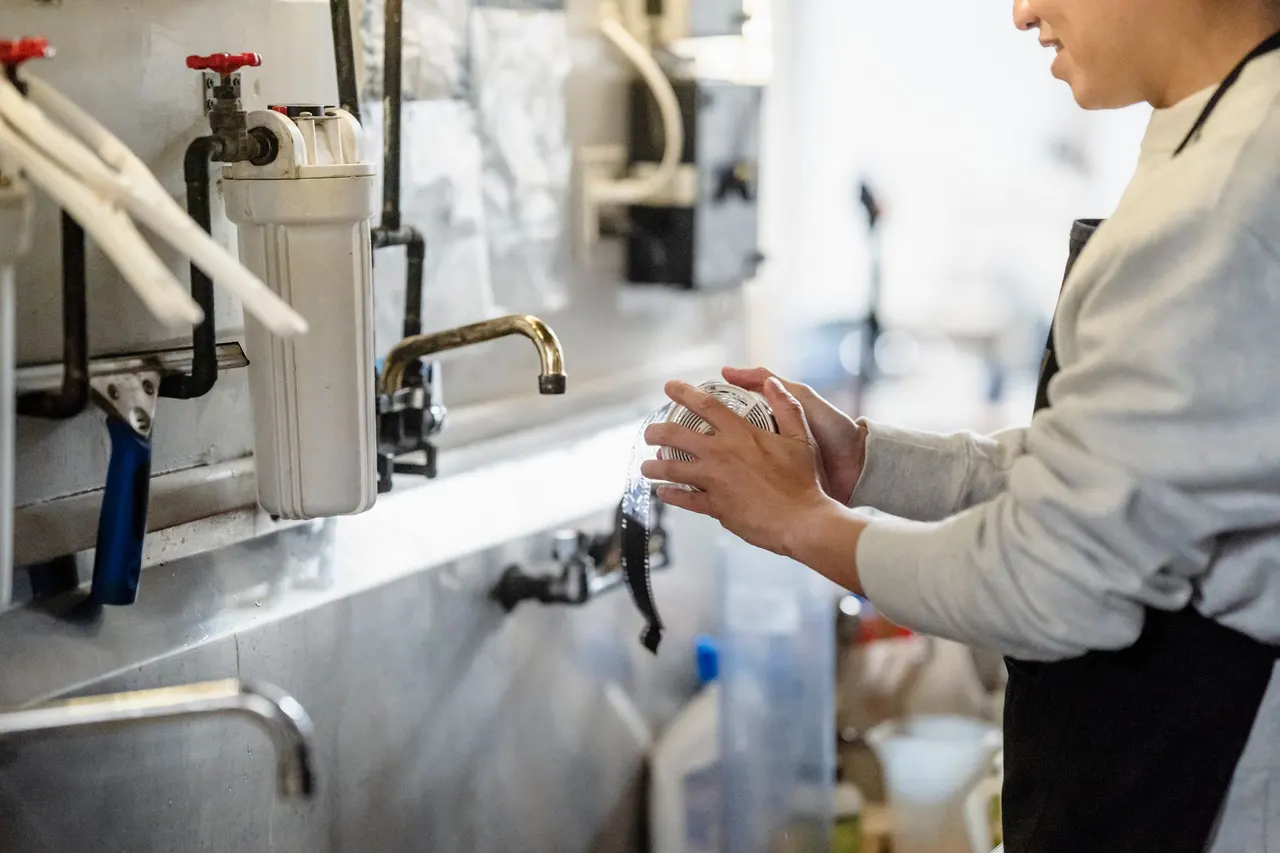
Water line work is not drain cleaning with a bigger shovel. It is pressure work, and pressure punishes sloppy joints. Our technicians hold Alabama Plumbers License credentials, and our leads carry Master Plumber License and Journeyman Plumber License standing with Backflow Prevention Certification on file. We work to Uniform Plumbing Code (UPC) standards on every repair and follow OSHA Safety Compliance on every trench. We have pulled lines out from under slabs, chased leaks through root-bound yards, and replaced galvanized service lines that were one cold snap from failing. That local experience is what keeps a repair from turning into a repeat call.
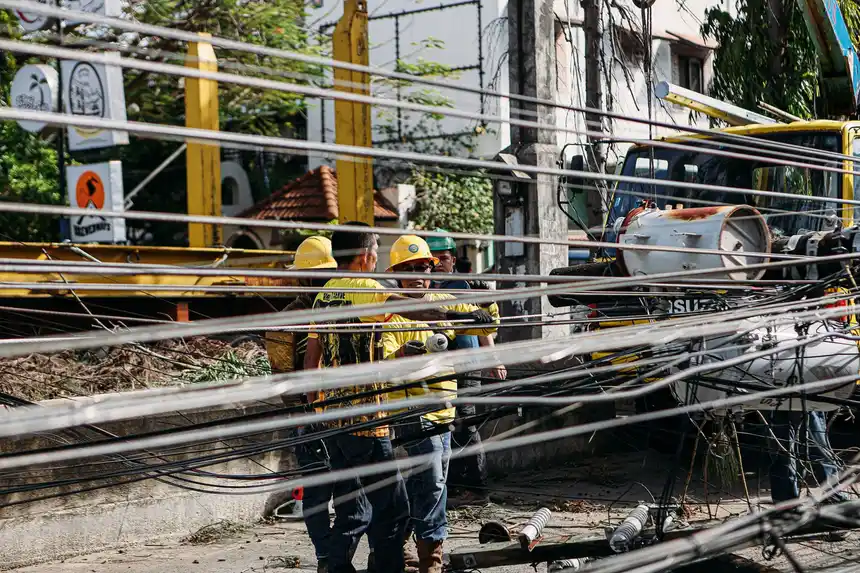
Our water bill jumped from $48 to $130 in one month and we could not find the leak. Mamas Plumbing Solutions pressure-tested the line, found the break about 20 feet from the meter, and had it repaired the same afternoon. The yard looked better when they left than when they started. Pressure is back to normal and the bill dropped right back down.
The line let go at 11 p.m. and water was coming up through the yard. I called the emergency number and a tech walked me through shutting the meter off before the truck arrived. They were on site in under an hour, isolated the break, and had us back with water by morning. No drama, no surprise charges.
We had a slab leak and two other plumbers wanted to replumb the whole house. Mamas Plumbing Solutions tested it, found the actual failure, and did a spot repair on the line for a fraction of that. They showed me the pressure reading before and after. Honest work and they cleaned up the trench site completely.
Most residential water line repairs in Eastaboga run $450 to $2,800 in 2026, with a typical spot repair landing near $900. A short PEX splice is on the low end; a full service line replacement from the meter to the house pushes toward the top. Depth of the line, driveway or slab cutting, and whether the yard is root-bound all move the number. We give you the price before we dig.
The clearest sign is a water meter that keeps spinning with every fixture shut off. Beyond that, watch for a soggy patch in the yard, a sudden pressure drop at multiple faucets, discolored water, or a water bill that jumps 30 percent or more in one cycle. A hissing sound near the meter box is another tell. If two or more of those show up, shut the meter and call us.
You can handle a fixture supply line, but the buried service line is a different job. It sits 18 to 36 inches down, needs a utility locate before you dig, and has to hold pressure at 55 to 65 PSI to pass. A bad joint leaks under your slab or driveway and costs more to fix the second time. For the main line, call a licensed plumber.
A spot repair on an exposed line takes 3 to 6 hours from arrival to backfill. A full service line replacement runs 1 to 2 days, mostly because of trenching and restoration. Emergency calls get water isolated and the repair started the same day. We tell you the expected window when we set the appointment and call if anything changes.
Not seeing your question? Our local team can help you understand urgency, scheduling and what to expect.
Ask the local team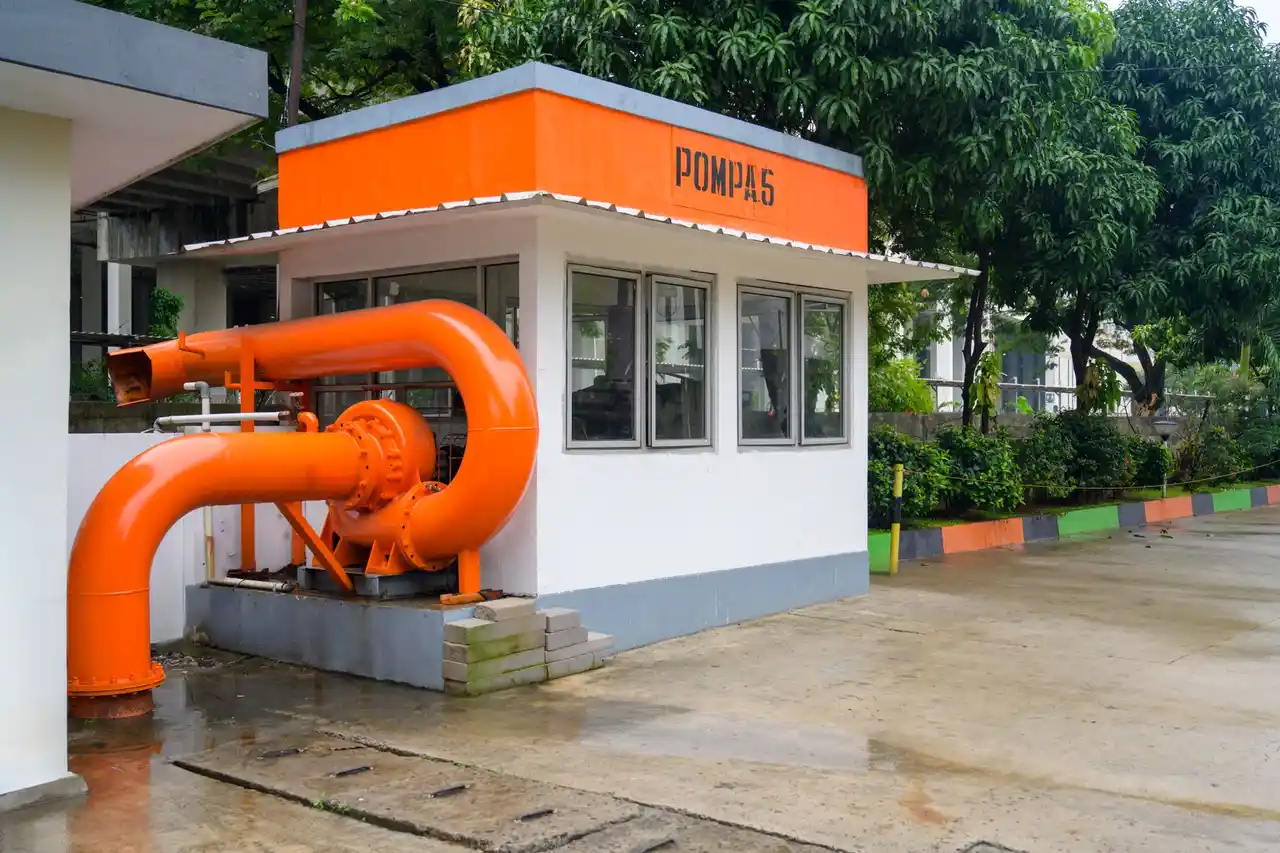
A water line repair restores supply, but if your drains are slow, the problem is on the other side. We clear clogs with a drain snake or hydro jetter so both halves of your system move water the way they should.
View service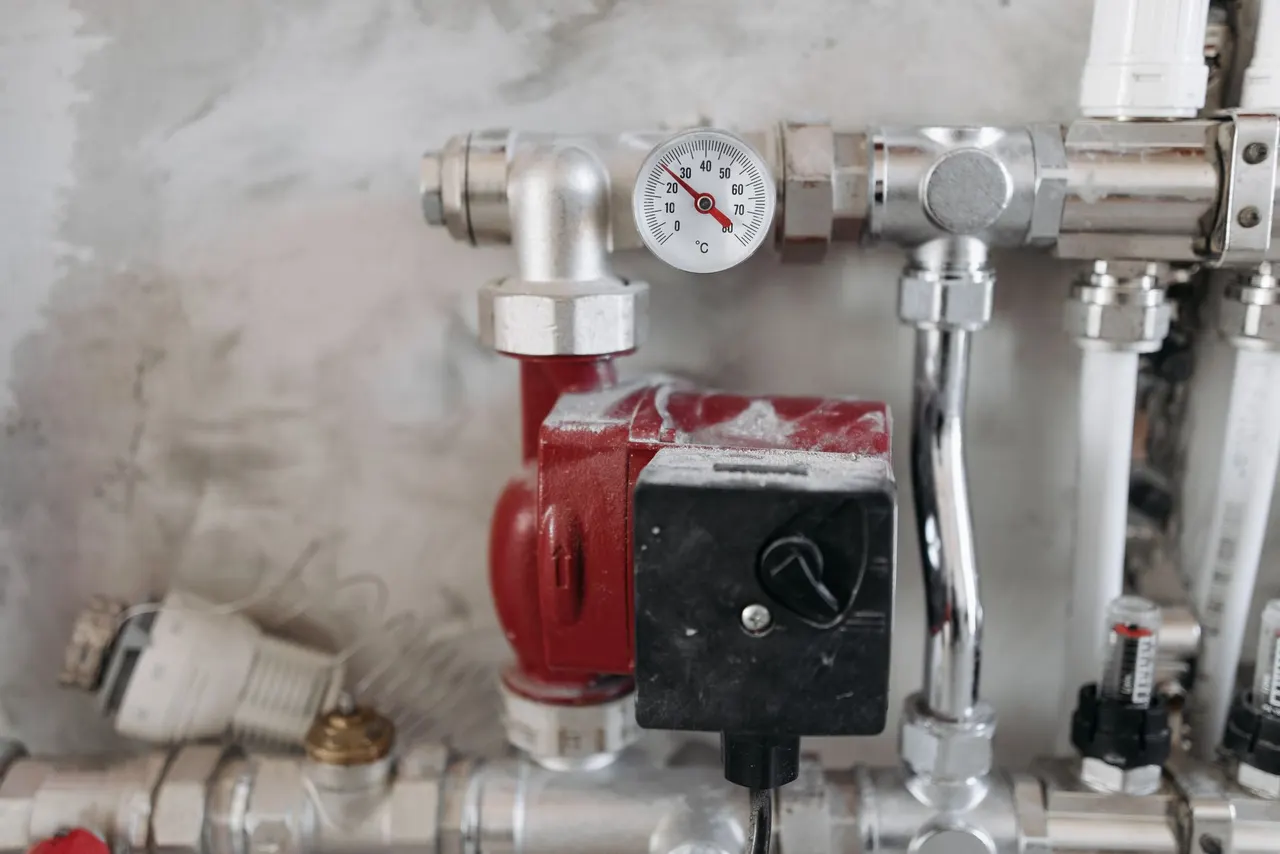
After a line repair, a dripping faucet wastes the pressure you just paid to restore. We replace faucet cartridges and worn stems so the fix holds at the fixture, not just at the meter.
View serviceNew line, old fixtures is a mismatch. If you are upgrading while the water is off, we install Moen, Delta, or Kohler faucets and check the supply stops while the system is drained.
View service
Not every leak shows itself. We use leak detection equipment and pressure testing to find hidden failures in walls, slabs, and yards before they turn into a water line repair or a foundation bill.
View service
Call us at (205) 708-6253 or send an email to info@mamasplumbingsolutions.com. We answer the phone during business hours and return messages after hours for emergencies. If you've got a leak, a clog or no hot water, don't wait. Reach out and we'll get you on the schedule.